
If you flip over conventional household products like all-purpose cleaners, lotion, dryer sheets, or laundry detergent, you’ll likely see the word “fragrance” or “parfum” at the bottom of the ingredients list.
It may sound simple and harmless, but behind that single word lies one of the biggest regulatory loopholes in the consumer products industry.
Under current FDA and federal labeling laws, fragrance formulas are legally protected as “trade secrets.” This means manufacturers are not required to disclose the specific chemical ingredients that make up their signature scents, because doing so might reveal their unique recipe to competitors.
While this protects a company's formula, it leaves consumers in the dark—unknowingly exposing families to a complex cocktail of dozens, or even hundreds, of undisclosed synthetic compounds, petrochemical derivatives, solvents, and stabilizers hiding behind that one innocent-looking word.
What makes this lack of transparency especially concerning is that developing systems—such as growing children and pregnant women—are far more sensitive to these chemical exposures, yet conventional labels offer no warning. When independent testing analyzes these undisclosed blends, a few main culprits show up again and again:
Phthalates: Used to make synthetic scents linger in the air and cling to fabrics for days or weeks.
Volatile Organic Compounds (VOCs): Gaseous chemicals that off-gas continuously into indoor living spaces.
Synthetic Musks: Lab-created aroma compounds that are persistent and bioaccumulative, taking considerable metabolic effort for the body to break down and clear.
Hormones rely on a delicately balanced system in the body that helps to control menstrual cycles, insulin and blood sugar regulation, thyroid metabolism, mood, and sleep. But when synthetic fragrances are inhaled or absorbed through your skin, these chemicals disrupt this system. The three main ways it does this are:
Many chemicals used to make artificial scents stick and stay longer—most notably phthalates—are classified as xenoestrogens. Because their structure resembles natural estrogen, they slip into cellular receptors, either triggering abnormal hormonal cascades or blocking real hormones like progesterone and thyroid from working properly.
Your liver is responsible for deactivating and clearing out both external chemicals and your body's used hormones. When overloaded with daily synthetic fragrances, liver detoxification pathways prioritize processing foreign petrochemicals. Used estrogens sit in line waiting to be cleared from the body and end up recirculating through the bloodstream and fueling estrogen-dominant symptoms such as heavy cycles, breast tenderness, and PMS in women, as well as stubborn abdominal weight, fatigue, and low vitality in men
Once processed by the liver, estrogen is sent to the digestive tract to be eliminated. Chronic chemical exposure irritates the gut microbiome—specifically the estrobolome, the bacterial network responsible for estrogen clearance. When disrupted, these bacteria can unbind packaged estrogen, allowing it to be reabsorbed back into the body.
Sadly, this chemical burden hits developing children hardest. Pound for pound, kids breathe in significantly more air than adults, all while their immature liver pathways clear synthetic musks and phthalates at a much slower rate. Because their bodies rely on specific hormonal cues to direct physical growth, brain development, and puberty, getting rid of synthetic fragrance from shared living spaces is one of the most protective gifts you can give their developing systems.
Although there are many products in the house that can have an impact on hormonal health and balance, it’s often helpful to go slow and prioritize replacing the items that are responsible for continuous inhalation or round-the-clock contact with skin:
Scent molecules in conventional laundry products are engineered to bind tightly to textile fibers. Your clothes, pajamas, and bed sheets continuously off-gas into living spaces and transfer chemicals directly onto warm skin 24 hours a day.
These devices gently heat synthetic oils to disperse scent constantly throughout hallways, living rooms, and nurseries, creating steady, inescapable background exposure.
Paraffin is derived from petroleum refining. When burned, it releases fine soot, benzene, and aerosolized artificial fragrance compounds directly into your indoor breathing zone.
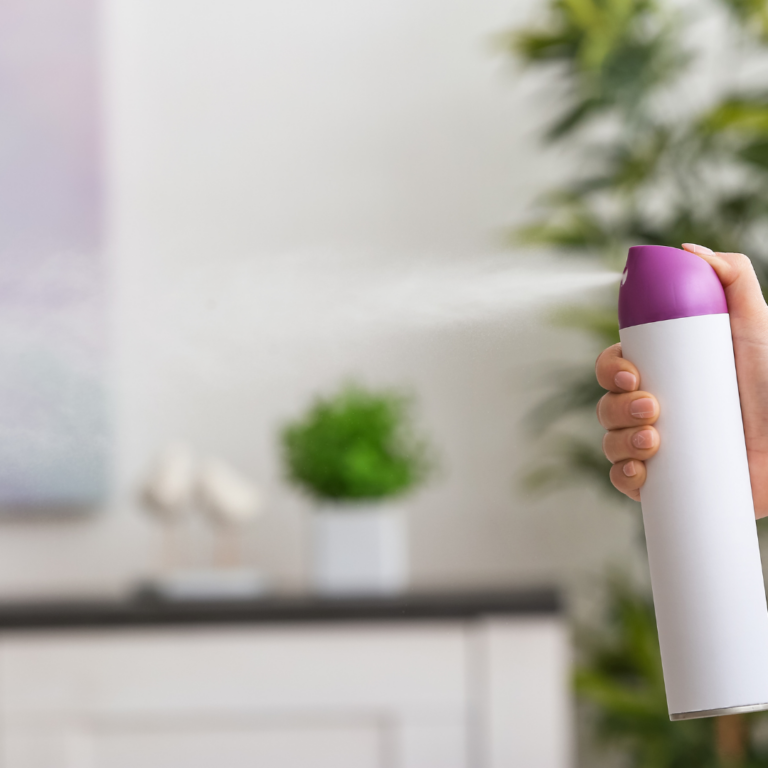
Heavily scented surface sprays and room mists break down into fine droplets that disperse into the air and settle into household dust, right where crawling infants and toddlers play (or even your pets lie down and play).
Creating a low-tox home isn’t an all-or-nothing sprint. Start with the highest-impact items that give your family’s air quality and hormones immediate room to breathe—then simply replace the rest one at a time as you run out
Open the windows: Cross-ventilate your home for just 10–15 minutes a day to flush out stale air, trapped dust, and lingering chemical vapors.
Unplug the continuous scents: Unplug wall warmers and toss synthetic room sprays. Simply removing these sources instantly halves your daily inhalation burden.
Because laundry touches your skin and lungs continuously, this single swap delivers massive long-term benefits:
Switch to fragrance-free: Choose an unscented or third-party verified (EWG-Verified or MADE SAFE) liquid or powder detergent.
Retire dryer sheets: Swap them for 100% wool dryer balls, which naturally soften fabrics, reduce static, and cut drying time without leaving chemical residue.
Use white vinegar: Pour 1/4 cup of plain distilled white vinegar into your machine's fabric softener compartment. It dissolves detergent buildup and softens fabrics without leaving any vinegar odor behind.
Going low-tox doesn't mean giving up a warm, inviting home:
Stovetop simmer pots: Gently simmer a small pot of water with cinnamon sticks, citrus peels, apple slices, and fresh rosemary or pine needles to fill your kitchen with real, whole-botanical scent.
100% pure beeswax candles: Pure beeswax burns cleanly with a natural, subtle honey aroma while releasing negative ions that help neutralize airborne dust.
Intermittent cool-mist diffusers: Diffuse pure, organic essential oils (such as sweet orange, lavender, or frankincense) for 20–30 minutes at a time, ensuring proper ventilation and pet/infant safety.
You do not need a sterile, picture-perfect home to raise healthy children. The human body is remarkably resilient, intelligent, and designed to heal when we gently lower its baseline burden. Every synthetic fragrance you remove, every box of dryer sheets you replace with wool balls, and every window you crack open creates immediate breathing room for your family’s liver, gut, and hormones to thrive.
Generational health isn’t built overnight through rigid detoxes—it is built through small, intentional rhythms that protect what matters most.