
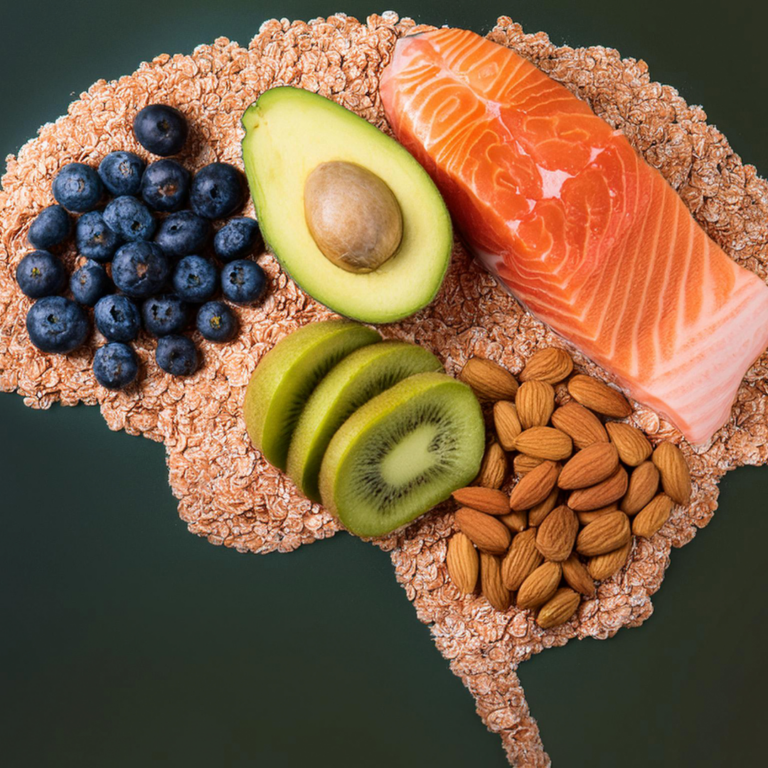
Popular fatty fish include salmon, mackerel, anchovies, sardines, and herring. You can remember these using an acronym SMASH. Fatty fish are packed with nutrients such as omega-3 fatty acids like EPA and DHA, and vitamin D, which have been shown to reduce anxiety and depression symptoms and are essential for brain health. These nutrients also help reduce inflammation and support neurotransmitter activity, making them crucial for regulating mood.
Fatty fish also contain other nutrients like B12 and an amino acid called tryptophan, which also play an important role in mood and cognitive health.
Aim to eat fatty fish 2-3 times a week for the most benefit. Fresh, frozen, and canned options are all great!
This surprises many people, but dark chocolate (70% cacao or higher) is loaded with mood-enhancing compounds. These compounds—like flavonoids, theobromine, caffeine, and amino acids—stimulate the production of endorphins and serotonin, which boost mental health.
There is also evidence suggesting that dark chocolate might have prebiotic effects and can support diversity in the gut microbiome, therefore improving negative emotional states via the gut-brain axis.
Enjoy a small serving of dark chocolate daily—about ½-1 oz or 1-2 small squares for the most benefit.
Berries, such as blueberries, blackberries, raspberries, and strawberries, are all rich in antioxidants, which help protect brain cells from oxidative stress and inflammation—both of which can negatively impact cognitive health and mental health.
They also contain vitamin C, a vital nutrient for neurotransmitter synthesis (e.g., serotonin), which can impact mood. Moreover, berries contain fiber, so they help to support the health of the gut-brain axis, and fiber also helps with stabilizing blood sugar levels, which can help prevent mood swings and support stable energy levels.
Aim to eat berries on a regular basis (daily if possible!). They’re easy to add in your yogurt or smoothie, and great to have as a snack paired with some nuts.
Leafy greens like spinach, broccoli, kale, and Swiss chard contain a variety of mood-supportive nutrients including folate and magnesium. Folate, for example, plays an essential role in serotonin and dopamine production, and low levels have been linked to depression. Magnesium also influences serotonin production, and research has shown that many individuals who are low in serotonin are also deficient in magnesium, and they may experience anxiety and depression.
Many Americans are deficient in magnesium, so adding in a daily serving of dark leafy greens can help you improve your magnesium intake and enjoy the other mood-boosting benefits of this food.
Walnuts are a nutrient-dense snack and a source of omega-3 fatty acids, magniesum, zinc, antioxidants, essential amino acids, and fiber—all vital for supporting mood stability, neurotransmitter function, and brain health.
Magnesium, for example, is known for its calming effects on the nervous system. Antioxidants help to lower inflammation, which can protect the brain cells from damage. Omega-3s have been shown to reduce the risk of depression and mood disorders. And amino acids are used to create neurotransmitters like serotonin and dopamine, which help with mood regulation.
Enjoy walnuts a few times a week. Some ways to eat them include having walnuts as a snack or eating them on a salad or yogurt.
There are many different types of fermented foods, but some of the most common include yogurt, kefir, sauerkraut, and kimchi. These foods are rich in probiotics that help to support a healthy gut microbiome, which is vital for mental health. This is because about 90% of serotonin receptors in the body are located in the gut, making gut health crucial for cultivating emotional well-being.
Aim to include 1-3 fermented foods per day for the most benefit.
Eggs are packed with nutrients that positively support mental health. The egg yolks in particular contain choline, B vitamins, Vitamin D, and specific amino acids like tryptophan, which support the production of neurotransmitters that enhance mood.
Eating eggs >3 times a week may offer the greatest benefits for reducing the risk of depression and supporting brain health.
Avocados contain an abundance of monounsaturated fats (e.g., oleic acid), which promote brain health and may lower the risk of depression. They also contain antioxidants like vitamin E that help to protect brain cells from oxidative damage and inflammation. Moreover, they contain B vitamins like folate and B6, which help to create neurotransmitters that help regulate mood.
Try adding avocado to smoothies, toast, eggs, or salads and consume them regularly.
One bell pepper contains a whopping 169% of the recommended daily intake for vitamin C, which is great news because vitamin C can stimulate the production of “feel-good” hormones called endorphins.
Aim to include bell peppers regularly in your meals or snacks.
Sweet potatoes contain complex carbohydrates that promote the release of serotonin in the body and can help stabilize blood sugar and prevent energy crashes. They also contain beta-carotene—an antioxidant that helps to protect brain cells from inflammation—which is linked to mood disorders. Moreover, magnesium in sweet potatoes helps to calm the nervous system and regulate the stress response, which helps stabilize mood.
Enjoy sweet potatoes regularly by roasting, baking, or steaming them.
Supporting your family’s mental health is a top priority if your goal is to cultivate generational health. When someone feels good mentally, they are more likely to want to take care of themselves. And by prioritizing good nutrition and choosing nutrient-rich foods like fatty fish, berries, avocado, and fermented foods, you can naturally support a balanced mood and stronger emotional resilience.